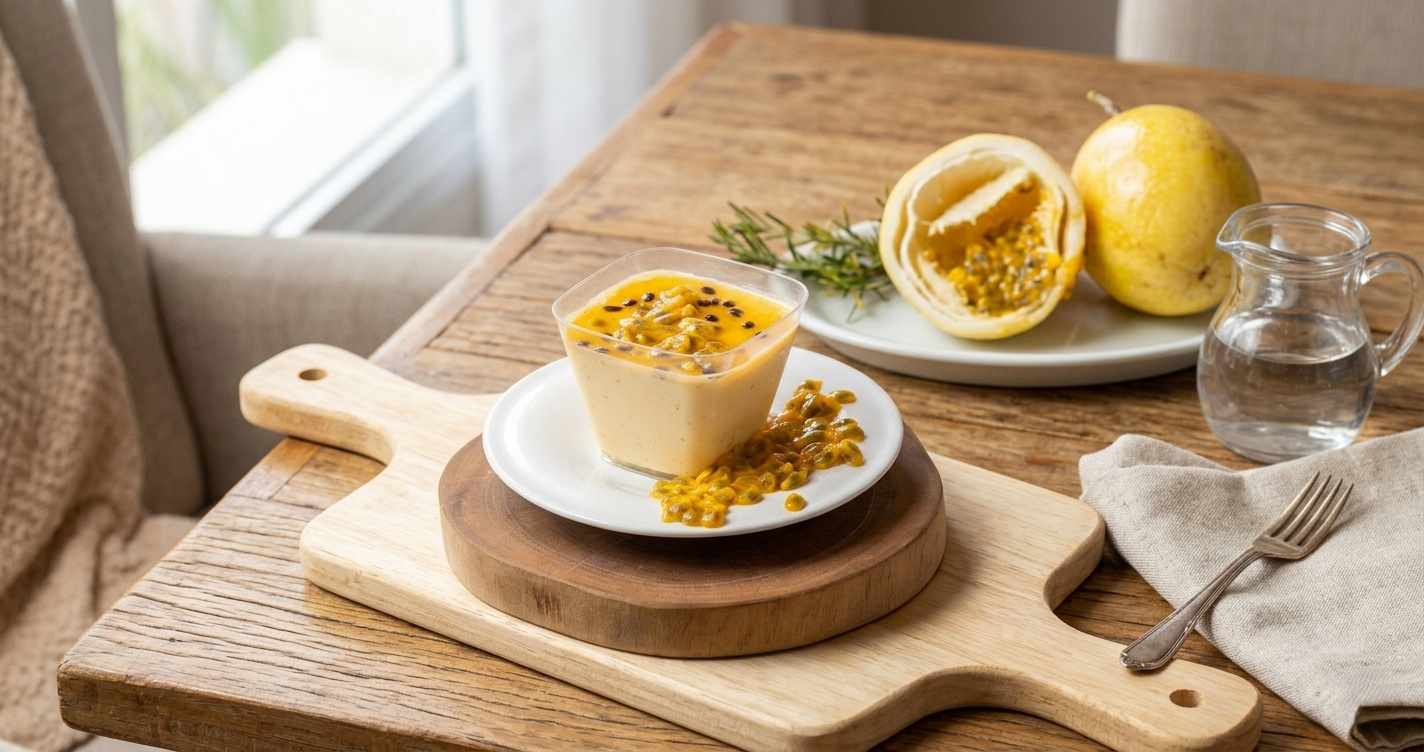
Entrepreneurship in the world of fit confectionery requires more than just a passion for healthy sweets and innovative recipes. To scale your business, maintain quality, and—most importantly—enjoy the fruits of your labor without falling into the trap of stress and overload, it is fundamental to optimize production. This complete guide is your starting point to transform your fit confectionery into a successful machine.
Demystifying Scale Production in Fit Confectionery
Producing at scale does not mean just making more; it means making it more efficiently while maintaining excellence in every product. For fit confectionery, where ingredient quality and recipe precision are crucial, this optimization is even more vital.
Veja também: Carne ao Molho Branco com Aipim
Veja também: Batata Recheada com Queijo e Bacon
Strategic Planning: The Foundation of Success
Before increasing production, planning is necessary. This involves:
-
Demand Analysis and Sales Forecasting: Understand your customers, best-selling products, and seasonal demand using simple stock and sales control tools.
-
Menu Optimized for Batch Production: Prioritize or adapt recipes that allow for preparing large quantities at once, such as cake bases, cookie doughs, or versatile fillings.
-
Efficient Inventory Management: Catalog all ingredients, define minimum and maximum levels, and establish a “First-In, First-Out” (FIFO) system to prevent expiration losses.
Optimizing the Production Process
Small changes can lead to significant impacts on efficiency and stress reduction:
-
Standardization of Recipes and Processes: Clear recipes with precise measurements and detailed instructions ensure consistency in taste and quality.
-
Equipment Suited for Scale: Investing in higher-capacity planetary mixers, precise temperature-controlled ovens, powerful food processors, and digital scales speeds up and improves production.
-
Batch Production Techniques: Group similar tasks (e.g., preparing all creams/fillings at once) to optimize equipment usage and reduce overall preparation time.
-
Smart Workflow: Organize your kitchen to minimize unnecessary movement, defining clear areas for preparation, cooking, cooling, and packaging.
Packaging and Logistics: Ensuring Delivery Quality
-
Functional and Attractive Packaging: Use packaging that preserves freshness, prevents transport damage, and communicates the healthy proposal of your product.
-
Efficient Delivery Logistics: Define optimized delivery routes and temperature control methods to ensure product quality upon arrival.
Financial Side: Profitability and Cost Management
-
Correct Pricing: Calculate the exact cost of each product, including ingredients, labor, packaging, fixed costs (rent, energy), and desired profit margin.
-
Cost Control and Waste Reduction: Monitor ingredient spending closely, buy in bulk for discounts, and manage inventory efficiently.
-
Portfolio Diversification: Consider expanding into other healthy market areas like fit meal prep, salads in a jar, catering, and protein snacks for resale.
Eliminating Stress: Entrepreneurial Well-Being
The goal of optimizing production is to have a better quality of life.
-
Intelligent Delegation: Invest in team training so they can assume responsibilities, freeing you to focus on strategy and innovation.
-
Automation and Technology: Use tools for order management, production scheduling, and customer communication to reduce manual, repetitive work.
-
Routine and Rest: Establish work hours and respect them; rest is fundamental for creativity, decision-making, and physical/mental health.
Conclusion
The journey to optimize your fit confectionery at scale is a continuous process of learning and adaptation. By adopting planning, standardization, inventory management, technology, and delegation, you increase productive capacity while freeing up time for other strategic areas like marketing and expansion into new markets, such as fit meal prep and catering. Transforming your passion into a scalable, profitable business with less stress is entirely achievable with the right tools and knowledge.